The following article is sponsored by NAI Global.
opEconomic uncertainty has become part of the conversation in commercial real estate, but that hasn’t stopped deals from getting done. We sat down with NAI Global CEO Alex Waddey, SIOR to discuss what he’s hearing from members around the world, what the latest NAI Global Market Trends & Facts report says about where the industry is headed, and why he believes relationships will continue to separate the best brokers from everyone else.
The economic headlines have been mixed this year. What are you seeing in commercial real estate?
One thing I’ve learned over the years is that commercial real estate doesn’t change as quickly as the headlines do. Every cycle has something that creates uncertainty, whether it’s interest rates, inflation, tariffs or geopolitical events. Those things absolutely affect decision making, but they don’t stop people from buying, selling or investing in real estate.
When I look through our 2026 Market Trends & Facts report, that’s really what stands out to me. Yes, the economy has slowed compared to the last few years, but you also see capital continuing to move across every major property type. There are office buildings trading in New York, Charlotte and Miami. Industrial portfolios are changing hands across the country. Retail continues to attract investment where the fundamentals make sense. To me, that’s a reminder that opportunity is still there. Investors are just being more thoughtful about where they’re putting their capital.
What separates the firms that continue to grow during markets like this?
The brokerages that are doing really well aren’t sitting around waiting for uncertainty to go away. They’re finding ways to create opportunities and leveraging the relationships they’ve continued to build over the years.
One thing we’ve really challenged our members to do is think beyond their own market. Clients don’t own real estate in just one city anymore. They may have assets in Nashville today, be looking at Dallas tomorrow and have something happening in New York six months from now. If you’re only focused on your own backyard, you’re not providing the level of service those clients need.
We’ve seen more cross-border business, more collaboration between offices and more firms pursuing institutional-quality clients together. That’s been encouraging because that’s exactly what our network is built to do.
You talk a lot about relationships. Why are they still so important when technology is changing so much about this industry?
Because this business has always been built on human connection.
When I look at the brokers who consistently perform at a high level, they’re the ones who invest in relationships. They aren’t afraid to introduce another broker into an opportunity if that’s what’s best for the client. I think some people naturally want to protect the relationships they’ve built over the years, but the brokers I see having the most success are comfortable expanding those relationships because they know everyone benefits in the long run.
I’ve seen that play out in my own career. Some of the biggest opportunities I’ve had started with one conversation that had nothing to do with the transaction we were working on. You get to know someone, you find a connection, they introduce you to someone else, and before long you’ve built relationships in markets you never expected. That’s how this business works, and it usually starts with one conversation.
Where does AI fit into all of this?
The best approach to AI is figuring out how it can make you more efficient and free up time to focus on the things that really make a difference in this business.
There are things brokers spend time doing every day that technology can help with, like putting together marketing materials or helping with business development. None of that replaces the broker, but it does give you more time to spend with clients.
To me, that’s the real opportunity. If technology can help you spend less time behind your desk and more time meeting with clients, that’s a win. Relationships are still what drive this business. AI just gives you another tool to support them.
As you think about the next generation of commercial real estate professionals, what gives you confidence about where the industry is headed?
I’ve spent a lot of time with young professionals who are new to commercial real estate or looking to get into the industry, and I’ve been incredibly impressed by the talent coming into the business. They’re intelligent, curious and comfortable embracing technology. In many cases, they’re the ones leading conversations about how new technology can be used across the industry.
That’s not only raising the level of talent coming into commercial real estate, it’s challenging those of us who have been in the business for a long time to keep learning and evolving. Technology is changing how we work, and if you’re not willing to advance with it, you’re going to fall behind. I think that dynamic is healthy for the industry because everyone is pushing each other to get better.
At NAI Global, we’re trying to foster that growth across our entire network. We’re investing in our Young Professionals Network, encouraging members to participate in our councils and creating more opportunities for people to collaborate across markets and learn from each other. When you combine the experience of people who have been through multiple cycles with the energy and technological capabilities of the next generation, I think that puts our industry in a very strong position for the future.
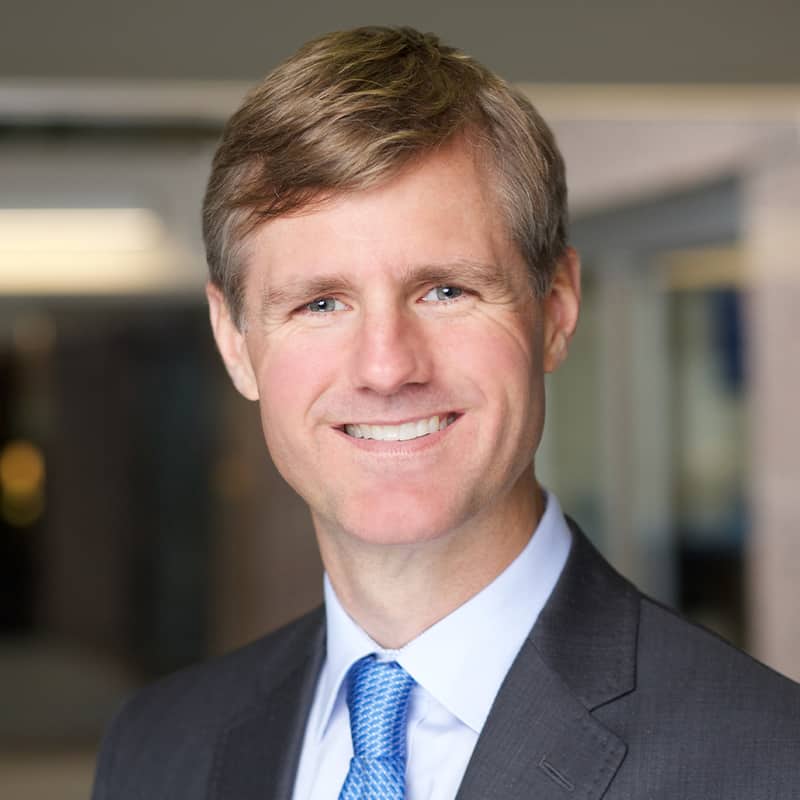
Alex Waddey, SIOR is CEO of NAI Global, one of the world’s largest commercial real estate networks, where he oversees the organization’s global operations. Waddey previously served as Senior Managing Director, Co-Head of Capital Markets and General Counsel, helping execute more than $8.5 billion in commercial real estate transactions. Before joining NAI Global, Waddey was a partner at Stites & Harbison, where he specialized in commercial real estate and real estate finance.